Cape Fynbos Tea celebrates honeybush as one of South Africa’s most distinctive indigenous teas.
Drawing on more than 15 years of honeybush research and sensory expertise, the range reflects a deep understanding of the subtle differences between species and selects exceptional teas for their aroma, flavour, colour and overall quality.
Growing across the varied fynbos landscapes of the Cape, different honeybush species develop their own distinctive aromas and flavour profiles, shaped by species and terroir — from delicate fynbos-floral mountain teas to smooth, fruity-sweet coastal varieties.
Cape Fynbos Tea partners with organic, sustainable farms and carefully selects premium-quality harvests to bring this natural diversity to the cup, inviting tea lovers to discover the intriguing depth of honeybush beyond a single familiar flavour.
Naturally caffeine-free, aromatic and naturally sweet, every cup offers a taste of the Cape fynbos landscape — a sense of place in every cup.
Honeybush is more than tea — it is part of South Africa’s living heritage.
Honeybush has a long history of regional use in the Cape as both a medicinal plant and herbal tea, traditionally valued as a restorative drink and expectorant. Its first known written reference dates back to 1705, while travellers in the Cape during the 1700s and early 1800s recorded names such as honigtee and described honeybush infusions prepared by local inhabitants.
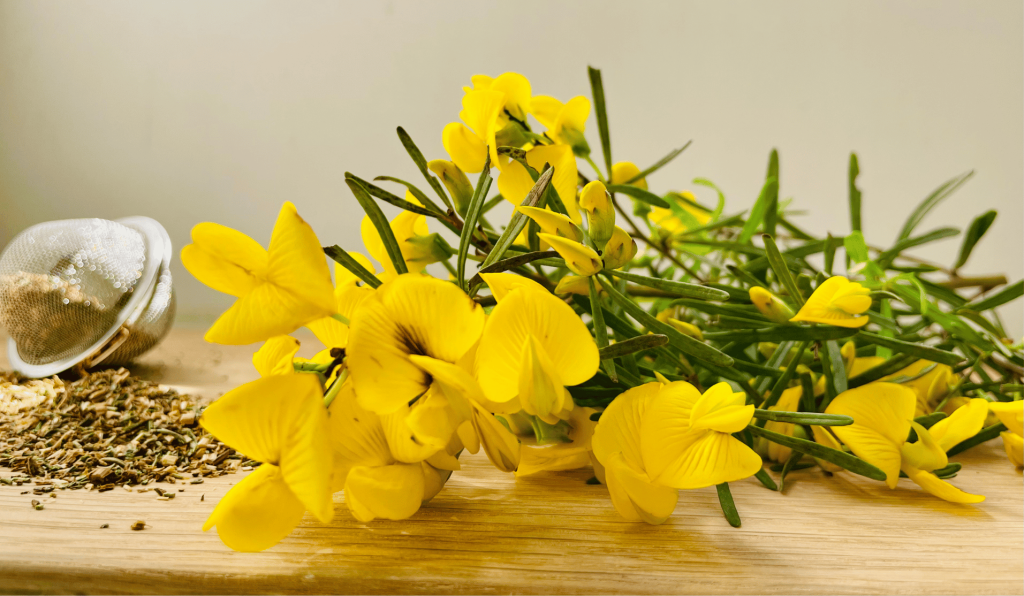
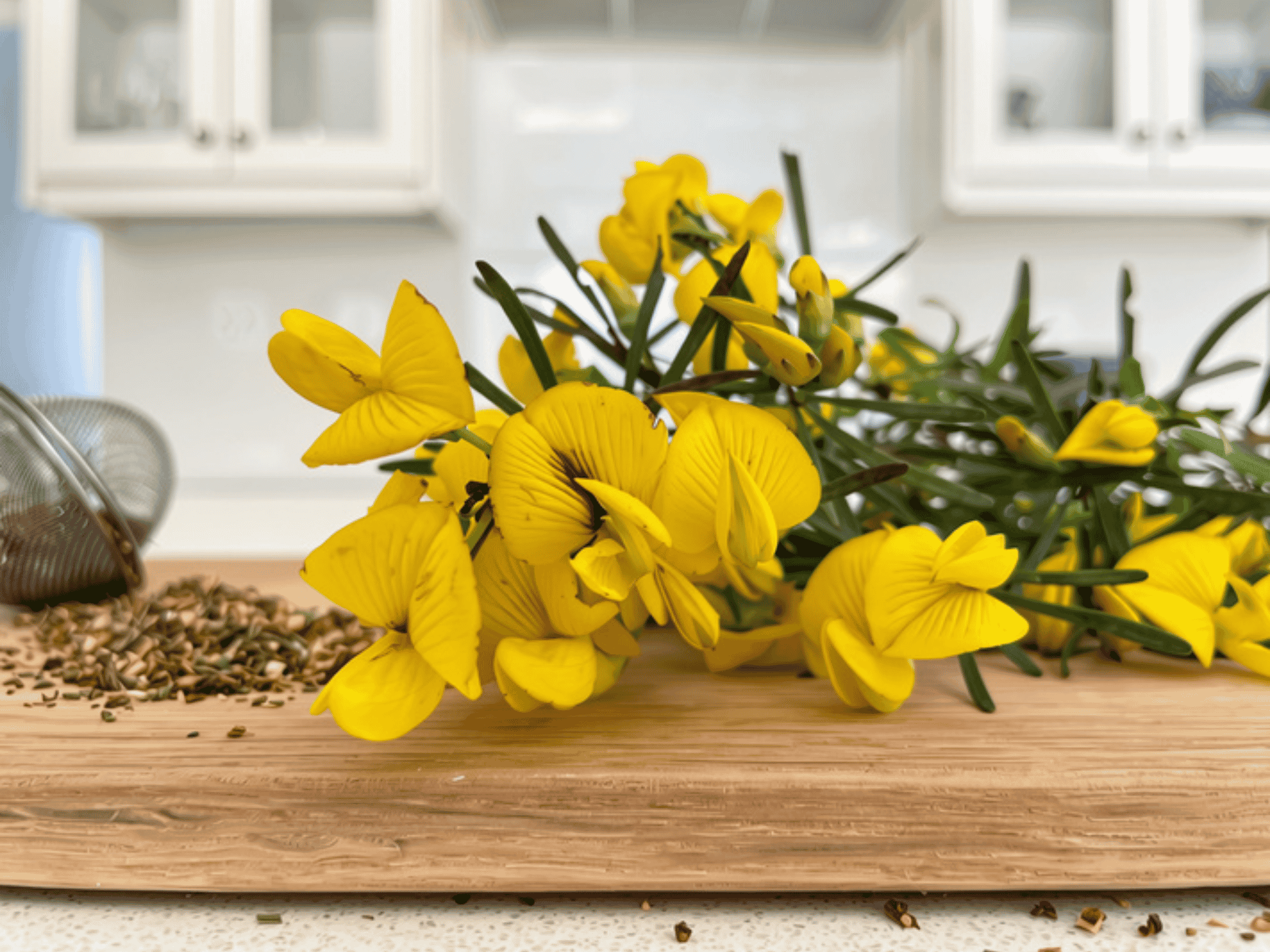
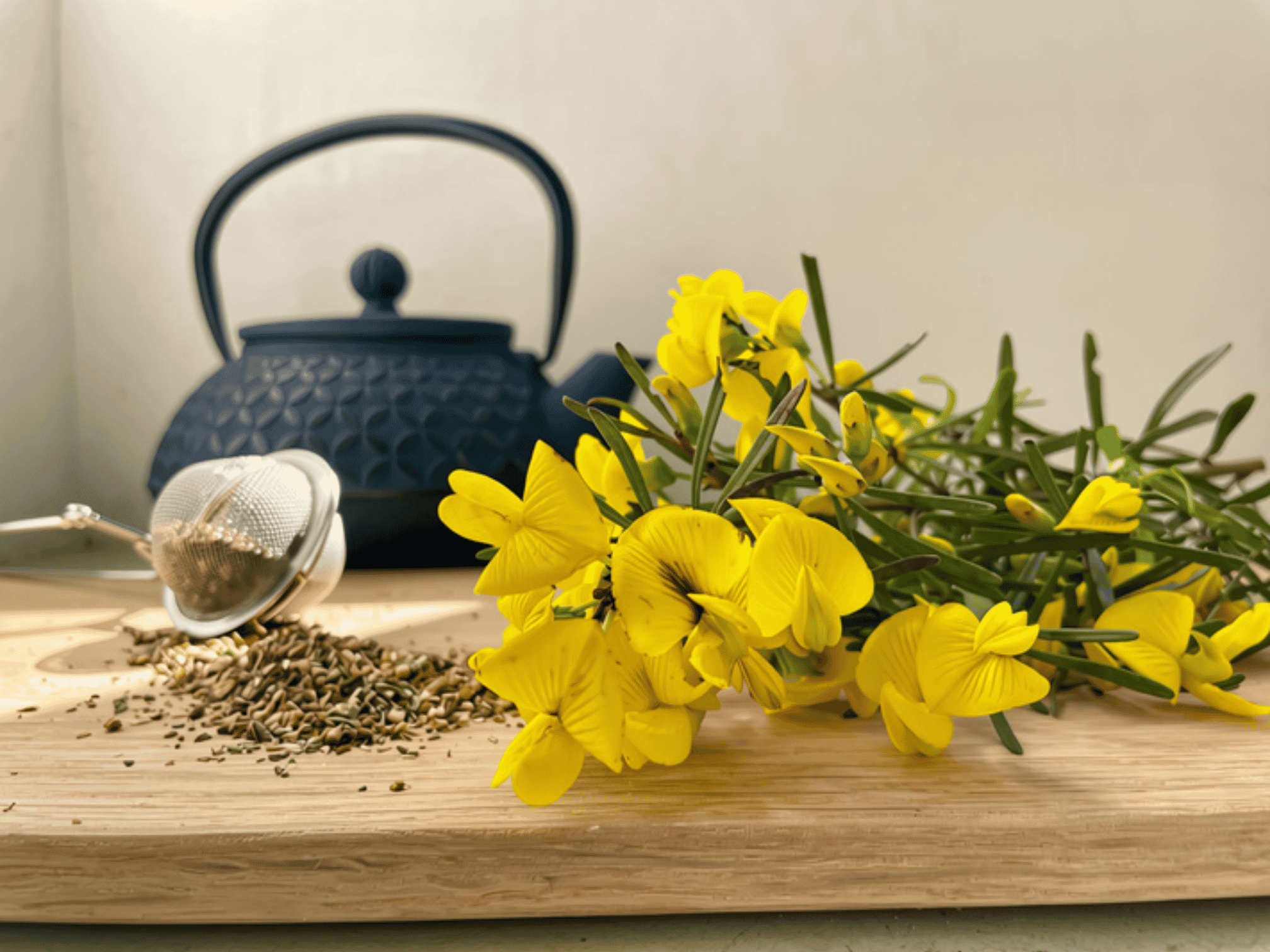
The name ‘honeybush’ comes from the sweet, honey-like scent of its bright yellow flowers. Traditionally, the wild shrubs were harvested in spring when their golden flowers came into bloom — nature’s cue for harvesters in the veld.
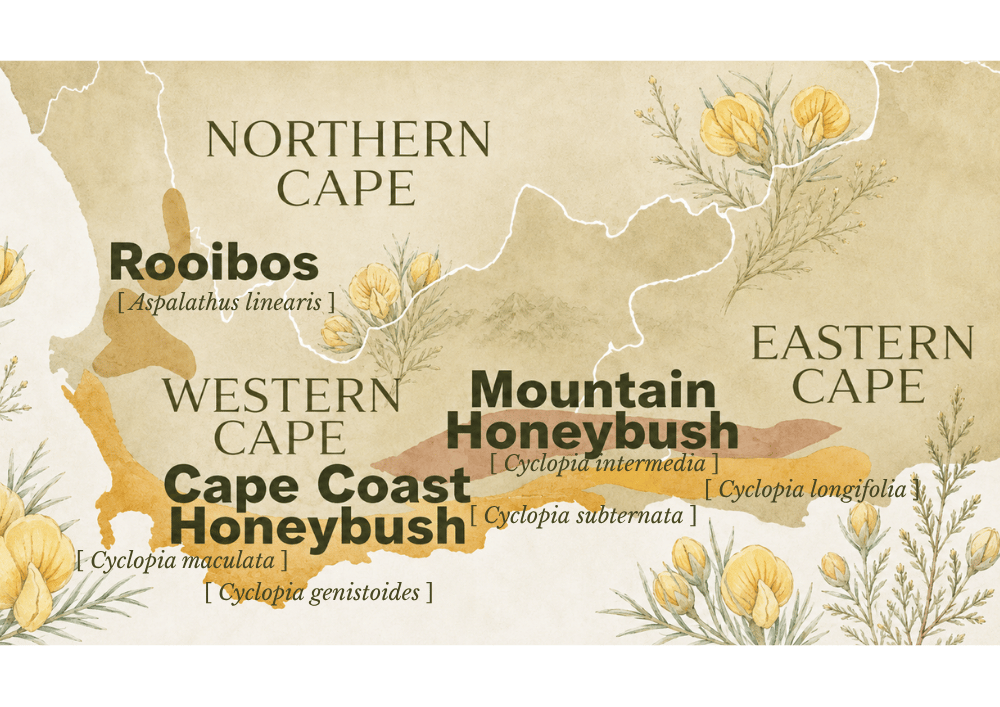
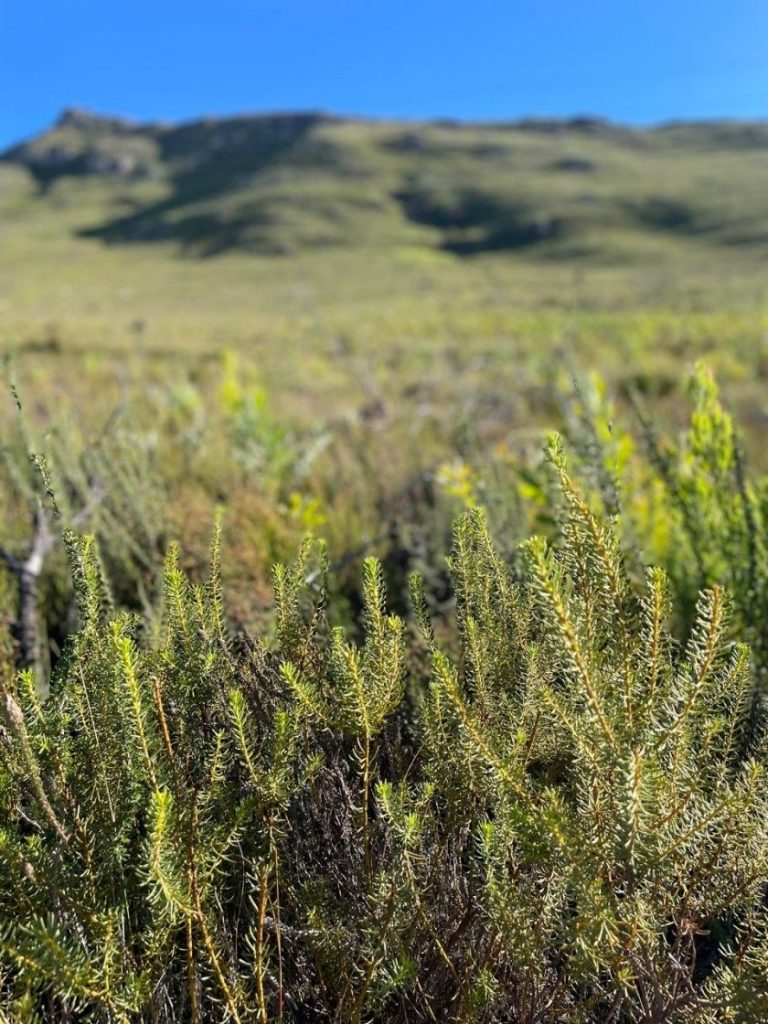
Indigenous to South Africa, honeybush grows naturally across the sandy coastal plains, valleys and slopes of the Cape Fold Mountains in the Western and Eastern Cape. More than 20 Cyclopia species have been identified, with different species occurring naturally in different regions — each carrying the character of the landscape in which it grows.
Often described as the gentler cousin of rooibos, honeybush has a diversity all its own. While rooibos tea comes from a single species, Aspalathus linearis, honeybush encompasses a diverse range of Cyclopia species across the Cape fynbos. Different species and growing regions give rise to distinctive aroma and flavour profiles — from delicate fynbos-floral mountain tea to smooth, fruity-sweet coastal varieties.
For much of its history, honeybush remained a small regional cottage industry, harvested mainly from the wild. This began to change in the early 1990s, when researchers and farmers worked together to develop cultivation and improve processing, followed by the first successful commercial harvests later that decade.
Today, this indigenous tea is gaining recognition for its naturally sweet, aromatic character, remarkable diversity and deep connection to the landscapes of the Cape.
Naturally caffeine-free and low in tannins, honeybush offers a smooth, gentle infusion that can be enjoyed throughout the day without becoming unpleasantly bitter when brewed for longer.
Antioxidants
Honeybush tea naturally contains a diverse range of plant polyphenols, including mangiferin, isomangiferin and hesperidin, known for their antioxidant activity.
My journey with Cape Fynbos Tea grew from a deep appreciation for the Cape fynbos, shaped by growing up hiking in its mountains, and more than 15 years of research into honeybush and other indigenous South African herbal teas.
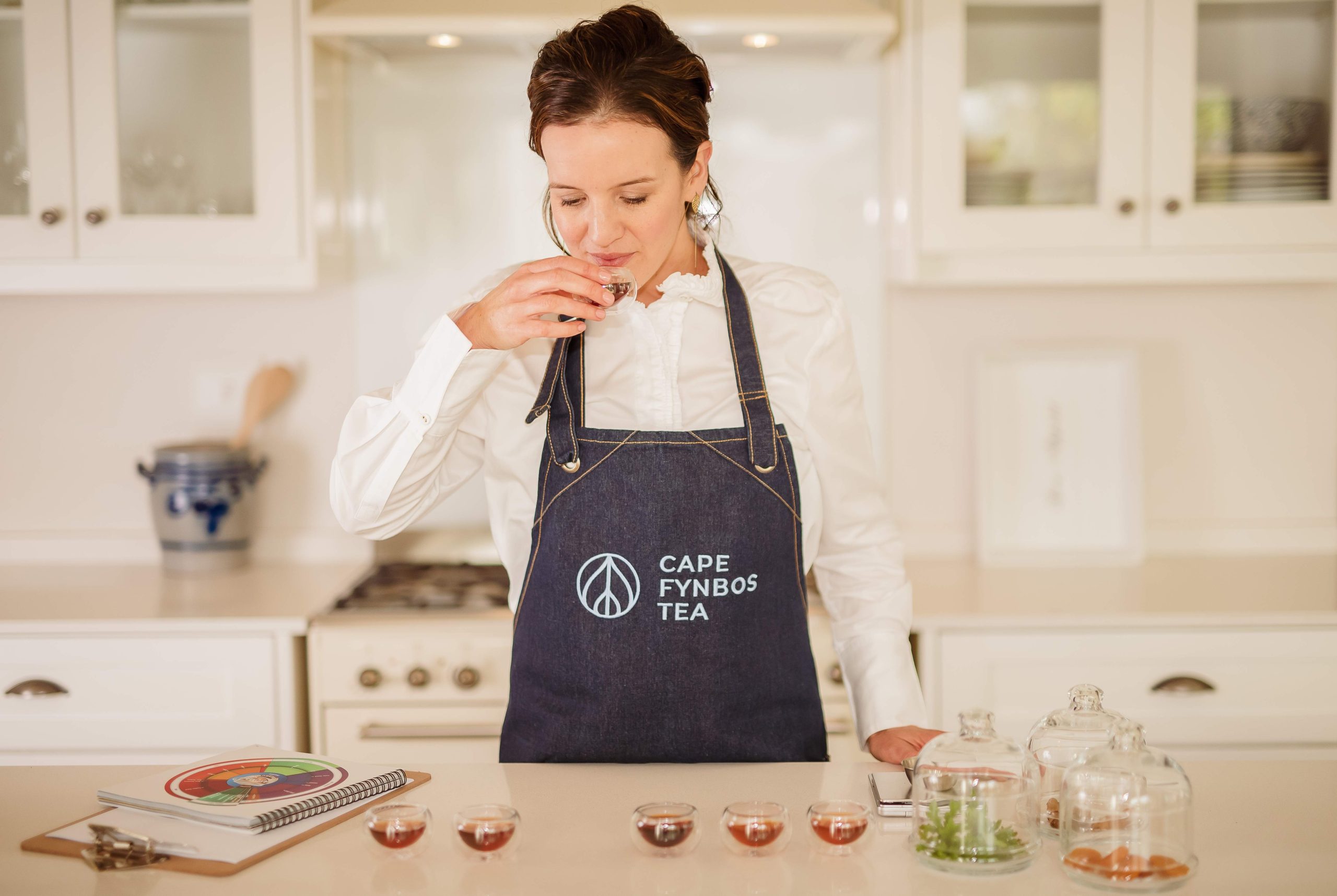
I’m a food scientist with a PhD from Stellenbosch University, and much of my work has focused on understanding the subtle differences between honeybush species and growing regions, and how these influence the aroma, flavour, colour and overall quality of the tea. I also contributed to the development of South Africa’s honeybush sensory quality grading system — a scientific way of evaluating the quality and distinctive characteristics of honeybush tea.
Through Cape Fynbos Tea, I carefully select premium-quality organic honeybush from ethical, sustainable growers to showcase this natural diversity — from delicate fynbos-floral mountain tea to smooth, fruity-sweet coastal varieties.
My vision is to share the Honeybush Story, help people understand this remarkable indigenous tea, and grow appreciation for honeybush as a trusted and loved everyday favourite in your home.
Dr Brigitte du Preez | PhD Food Science | Sensory Scientist